
Buying Korean Skincare and Beauty Products: A Guide to Informed Choices
From cleansers and serums to sunscreens and make-up: how do you compare the categories, textures, ingredients and value of K-Beauty products?
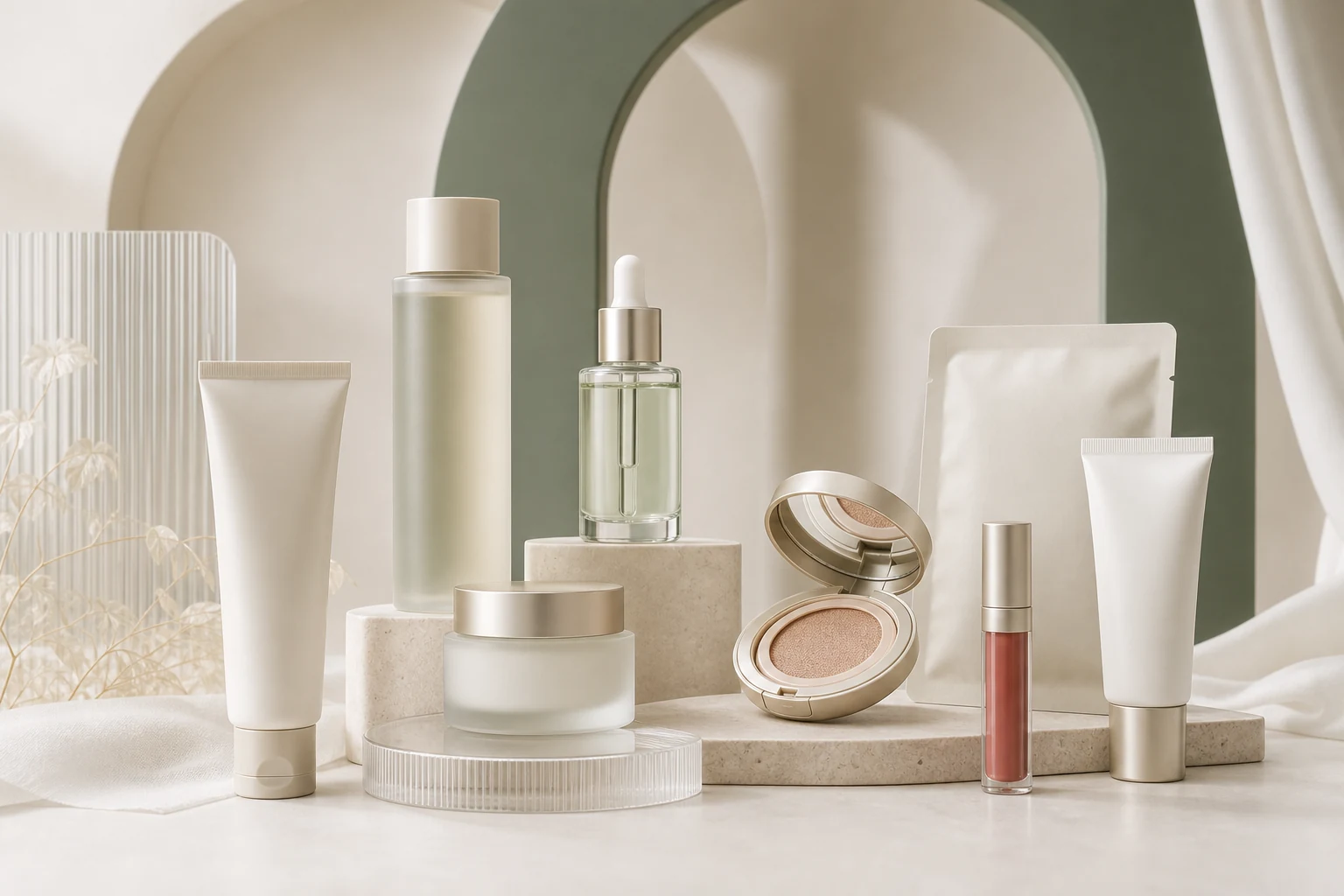
The K-Beauty market is not limited to serums and sheet masks; from cleansers and sunscreens to cushions and tints, the variety of textures and packaging is enormous. A good choice takes shape when you know what role each category plays, how to read the claims on the pack and how to compare value in terms of amount used, fit with your skin and authenticity.
If you only have a minute
- Choose a product category by its role, not just by texture or trend.
- An ingredient list shows that an ingredient is present, but does not always indicate its concentration or a definite result.
- Hybrid make-up/skincare products still need to be judged on shade, texture, removal and sensitivity.
- Volume, period of use, amount needed and the likelihood you will actually use it are the main measures of value.
- Check the label, date, batch, seal and seller before opening the product.
1. A map of Korean skincare product categories
Cleansers remove pollution, oil and the day's products; toners and essences usually create a light layer for hydration or targeted ingredients; serums and ampoules deliver active ingredients in a more concentrated texture; creams and gel-creams help maintain hydration; and sunscreen is designed for daily protection. Each category has a different role, and a routine does not need all of them.
When buying, get from the category name to the actual role. Two products both called "essence" may have completely different formulas and aims, and a gel-cream may be more comfortable for your skin than a heavy cream. Read the manufacturer's description, the ingredient list and the directions alongside the product's marketing name.
- Cleansing: oil/balm, micellar, gel or foam
- Hydration and prep: toner, mist and essence
- Targeting: serum, ampoule and topical treatment
- Maintaining hydration: emulsion, lotion, gel-cream and cream
- Protection: fluid, cream or stick sunscreen
2. Match texture to your skin type and climate
A light texture is not always better for oily skin, and a heavy texture is not always better for dry skin. The amount used, air humidity, the products layered under and over it and personal preference all change the final experience. A small sample or a careful look at feedback from people in similar circumstances can reduce the chance of a wrong purchase.
For sensitive skin, fewer products and a predictable formula are an advantage. Words such as clean, natural or hypoallergenic do not guarantee that no reaction will occur. Fragrance, plant essential oils and even preservatives cause problems for some people; your own history of reactions matters more than an attractive label.
3. Read ingredients and claims realistically
Ingredients such as niacinamide, centella, ceramides, hyaluronic acid or peptides are common in Korean products, but seeing the name of an ingredient does not on its own predict the result. The full formula, the concentration where disclosed, stability, packaging and how the product is used also matter. The order of the ingredient list offers a clue, but it is not equivalent to an exact percentage for every ingredient.
Draw a line between a cosmetic claim and a medical treatment. Phrases such as a brighter-looking appearance or an improved feeling of hydration are not the same as treating a skin condition. If a product promises a definite cure, an immediate permanent result or absolute safety, check its source and authorisation with extra caution.
4. Hybrid beauty products: cushions, tints and balms
Cushions, tints and tinted balms are part of K-Beauty's appeal and sometimes also advertise skincare benefits or SPF. Even so, a tinted cushion does not replace the full amount of a base sunscreen unless you can achieve the necessary coverage by following the directions. Also factor shade, oxidation, wear time and how the product is removed into your buying decision.
When choosing a shade online, don't rely on the shade name alone. Check photos in natural light, a description of the undertone and whether an unopened product can be exchanged. Applicators and puffs should be kept clean, and eye or lip products should not be used after an unusual change in smell or texture.
5. Five pieces of data you should find on the pack
The full name, net quantity, ingredient list, warnings/directions and information on the manufacturer or party responsible for supply are the five basic pieces of data. The batch number allows the production run to be traced, and the date or period-after-opening symbol helps you manage how long you use the product. Date formats can differ between markets; ask the seller or the official source for clarification.
If there is a translated label on the pack, it should not obscure the original information in a damaging way. A spelling mistake or a printing difference is a sign to look more closely, not a final verdict. What matters is that the information as a whole is legible, consistent and traceable.
- The product's exact name and version
- Net volume or weight
- Ingredients and allergy or usage warnings
- Batch/Lot and related dates
- Country of manufacture and manufacturer/responsible-party information
6. Measure value beyond the price tag
Price per millilitre is useful for comparing two products in the same category, but it is not enough on its own. Also factor in the amount needed each time, frequency of use, stability after opening and the likelihood you will actually use it. A very large pack of a product you use sparingly may still be left over at the end of the recommended period.
Packaging also affects value. A pump or tube reduces contact; a clear container is not suitable for some sensitive formulas; cushions and jars need more attention to applicator hygiene. These points don't necessarily make one option good or bad, but they should suit the way you use products.
7. A final checklist for buying Korean skincare and beauty products
Go through your basket once from the start and write one sentence for each product: "What specific role am I buying this product for?" If two products have the same answer, remove one or postpone buying the second. Then check authenticity, the label, the final price and the returns conditions.
After delivery, store the product under the recommended conditions and note when you introduce it into your routine. The aim of informed buying is not a full shelf; it is a limited number of products whose specifications you know, that suit your skin and that you actually use.
- Each product's role in the routine is clear.
- The active ingredients do not needlessly duplicate those in your current products.
- Shade, texture, volume and date match your real needs.
- The seller, authenticity and returns policy can be verified.
- Budget has been kept for the essential basics.
Frequently asked questions
What are the best Korean skincare products?
There is no best choice for everyone. The right product should match your skin type and condition, goal, current products, budget and tolerance. Prioritise the product's role and label over the brand or trend.
Are natural or Clean products safer for sensitive skin?
These words do not guarantee absolute safety. Plant ingredients, fragrance and preservatives can also cause reactions. Your history of sensitivity, the ingredient list and a gradual start matter more.
Can a cushion with SPF replace sunscreen?
The amount of cushion people use is usually not enough to achieve full sunscreen coverage. Treat it as a complementary make-up product and get your base protection by following the directions of a sunscreen.
How do I compare two similar Korean products?
Put their role, texture, ingredient list, volume, amount per use, type of packaging, period after opening, final price and returns policy side by side.
Does the country of manufacture guarantee quality on its own?
No. A product being Korean is information about its origin, not a guarantee of suitability or authenticity. The manufacturer, formula, authenticity checks, storage and user experience still need to be assessed.
Sources and scientific basis
Reputable educational and regulatory sources were used for the skincare claims. The information on each product must ultimately be checked against the label on that pack.